Done-for-you direct mail · Delivered UK-wide
Struggling to get the attention of your dream clients?
Our done-for-you lumpy mail doesn’t just land on their desk. It gives them an experience — and that is what starts the conversation.
Cold email drowns and calls get screened — attention is the scarcest resource in B2B. A parcel with their name on it gets opened, remembered, and talked about.

How we solve it
We get you the conversation by posting them an experience.
A physical object tied to the problem they are actually dealing with. A note written by hand. Addressed to them personally, at an office address we have verified. Curiosity does what a subject line cannot: it gets opened, it gets remembered, and it gets talked about at the next desk.
And you do none of it. We run it as a service: you pick the campaign, and we source the object, write the note, put it on the card in real ink, pack it, post it tracked and confirm the day it lands on their desk.
The words stay yours. Every campaign comes with a note already written and proven — send it exactly as it is, or edit it on the product page and watch it redraw as the handwritten card before you order.
The follow-up is yours to make, and we arm it: the day it is delivered you get the proof it landed and a script built around the object in their hands. On VIP we make the follow-up for you.
Done for you, end to end
- Research
- The object
- The note, yours to edit
- Handwriting
- Packing
- Tracked posting
- Proof of delivery
- The follow-up script
Built by a sales director who could not get his own list to answer — and worked out what did.
Try it — thirty seconds
Watch what happens to your email. Then send the parcel.
Press it — watch what happens on their desk
First their inbox at nine on a Tuesday morning, and the phone that screens anything it does not recognise. Then their desk, and the one thing on it that has to be opened by hand.
Their inbox & phone
Four hundred a day, and a phone that never answers a number it does not know. Yours gets the same half-second as all the rest.

Their desk
One thing on it with their name inked on the front, and it has to be opened by hand.
Fourth follow-up, third missed call. Try the other way.
Same prospect, same week. Only one of them got an answer.
See what we’d send →The problem
Every channel you are using has been used up.
Not because you are doing it badly. Because the cost of sending a message fell to zero, and the defences went up to match. What still gets through is not another message — it is something that has to be physically opened.
The inbox is flooded
Multi-domain sending tools made it free to email ten thousand people a day, so everybody did. Your carefully written sequence now arrives in the same graveyard as four hundred others, and gets the same half-second of attention: none.
The phone is screened, and trust is spent
Unknown numbers go unanswered. Interrupting someone to read a script at them is a withdrawal from an account you have not paid into — so even when it connects, you begin the relationship as the person who ambushed them.
A parcel is the one thing still opened
Something with their name inked on it gets opened, gets held, gets shown to the person at the next desk, and gets remembered a fortnight later. Fewer people, far more effort each, one moment they actually enjoyed.
How it works · Three steps
You pick it. We post it. You take the meeting.
You do not have to think of the idea, find the object, write anything by hand, wrap it or queue at the post office. The middle step is entirely ours, and we hand you the words for the last one.
Step 1. You pick the campaign and the words
Choose an off-the-shelf campaign at the price on the page, or book a VIP call and have one built for the market you are breaking into. Every campaign arrives with the note already written — send it as it is, or edit every word on the product page and see it as the handwritten card before you order.
Step 2. We do the whole thing for you
We verify the person and the address by hand, source the object, and personalise the message to the person it is going to — handwritten in real ink when you have picked a handwritten card. Then we pack it and send it tracked, so you know the morning it lands on their desk. You touch none of it. Free resend if delivery fails.
Step 3. You follow up, with the proof in your hand
The follow-up is yours — the relationship is with you, not with us. So the day it is delivered we email you the proof it landed and a script written around the object on their desk: call, LinkedIn and email versions, timed for day 1, day 3 and day 7. On VIP we make the follow-up for you instead.
Where this came from
This is not theory. We have run this playbook ourselves, on prospects at Tesco, M&S and the Open University.
Case study · The proof this works
We posted risk directors a pair of socks and called it UK SOX.
This is the campaign the whole company came out of, and it is the problem and the solution in one story: a list that would not reply, and a parcel that made them. Not a message in a queue — a named person at a FTSE head office, standing over their desk, opening something.
Before Breakthrough was a company, it was one sales director with a list he could not get to answer him. Charlie was selling governance software to risk and compliance leaders, and the whole sector was bracing for a new piece of UK regulation everyone had nicknamed UK SOX.
Every competitor was emailing them about it. The same subject line, the same week, from the same rented domains. The people who most needed to hear about it had learned to delete on sight — which is another way of saying their attention was already spoken for.
So he took the pun literally and posted them actual pairs of socks. UK SOX. One parcel per named Head of Risk at an FTSE company, each with a handwritten note explaining the joke and asking for twenty minutes.
The unglamorous part is the part that made it work: every single address was verified by hand, checked against the person’s LinkedIn to confirm they still held the job, then cross-checked against Companies House so the parcel went to the building they actually sit in rather than a dormant registered office.
Cold email had produced silence. The socks produced replies, and the replies produced meetings.
“Nobody has ever received a pair of socks in the post and thought: I’ll deal with this later.”
Why it worked — and what we reuse every time
- 01
One idea, not one product
The object had to mean something to that exact audience in that exact month. Socks are funny; UK SOX is the reason they open it.
- 02
A named human, verified twice
LinkedIn for the role, Companies House and the site itself for the desk. A brilliant parcel at the wrong address is a bin.
- 03
Handwriting, not a printed insert
Real ink signals real effort. That is the entire trade: you spend more per person, on far fewer people.
The shop
Twelve campaigns. Every price on the page.
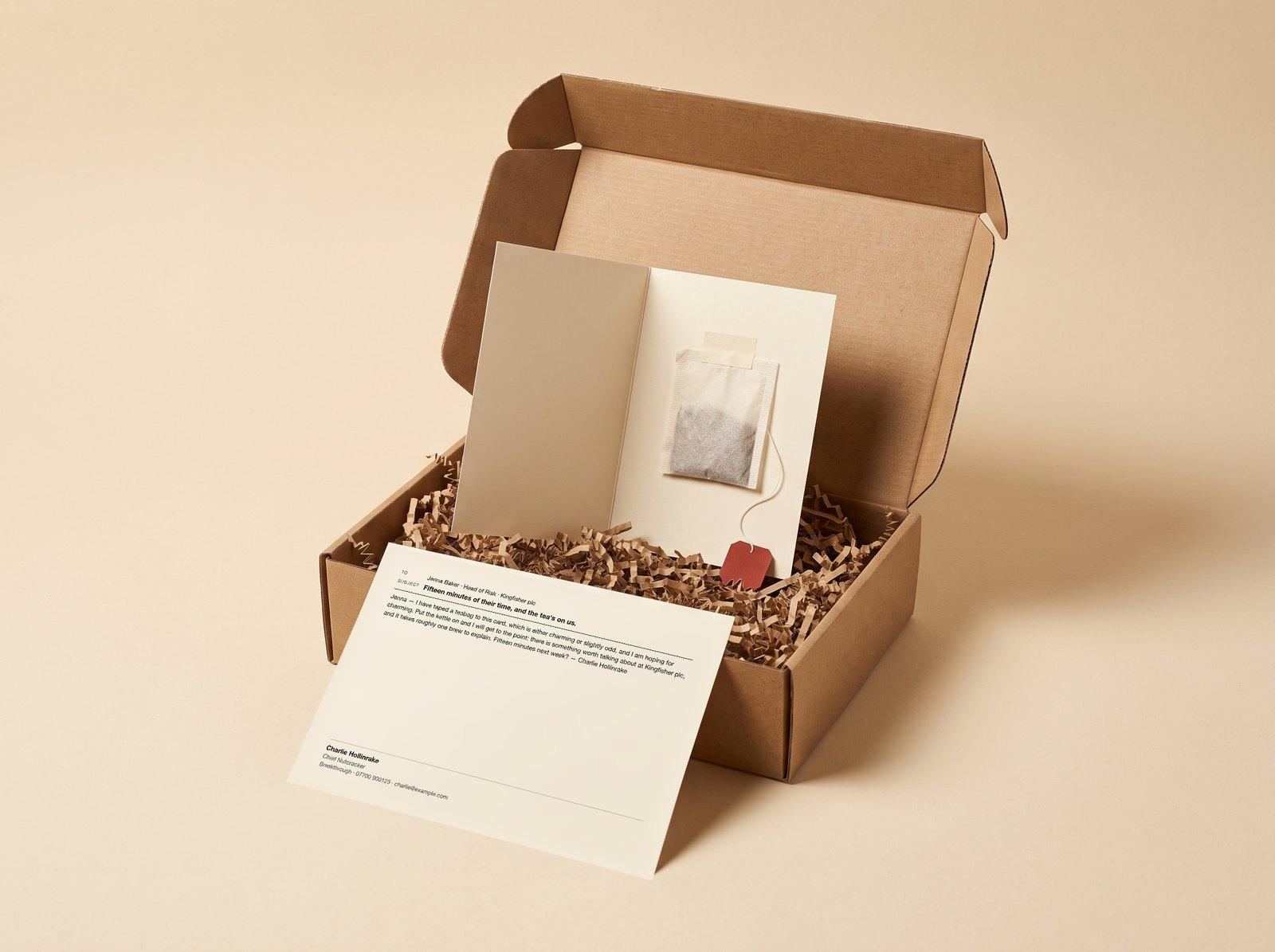
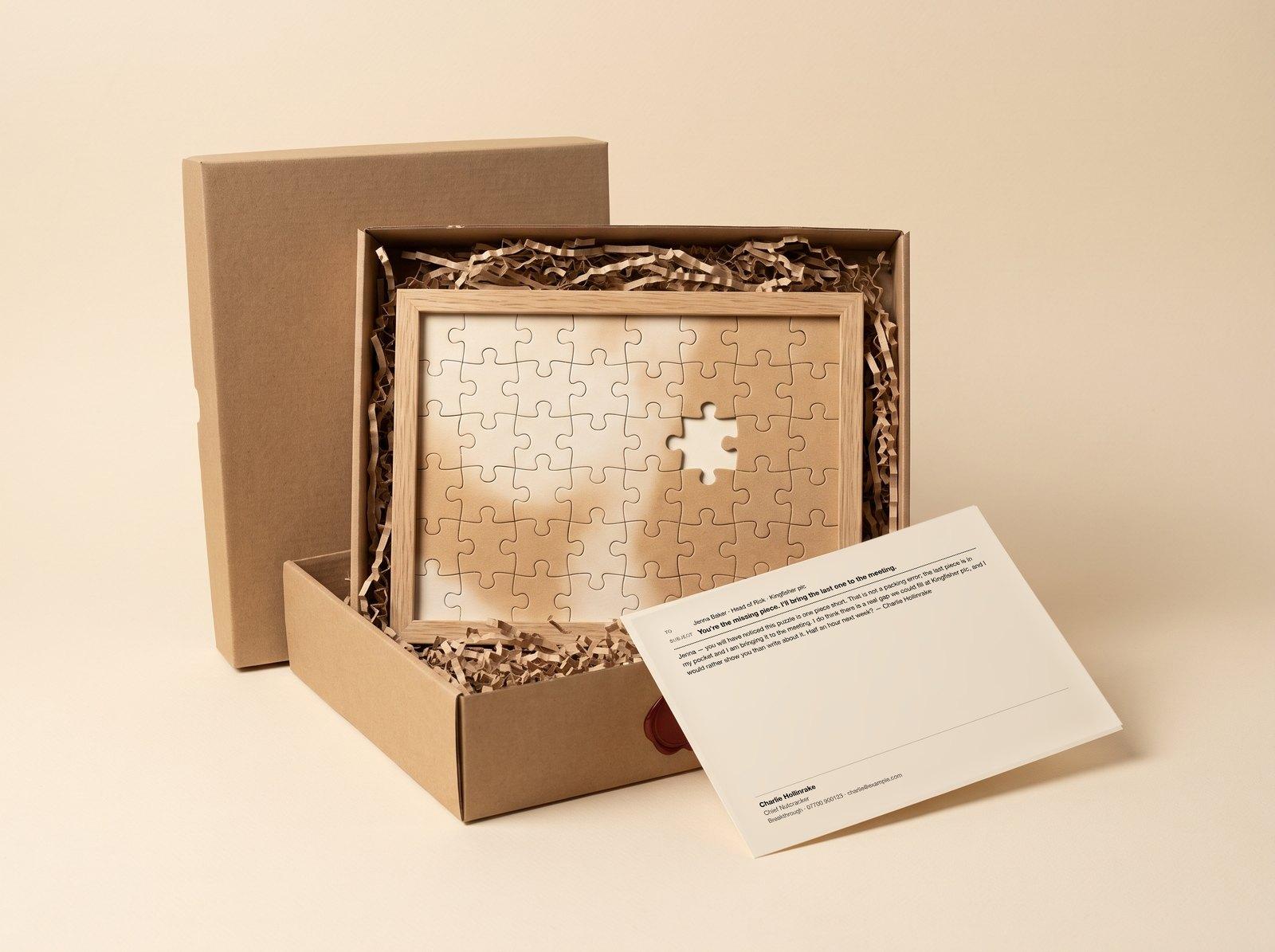
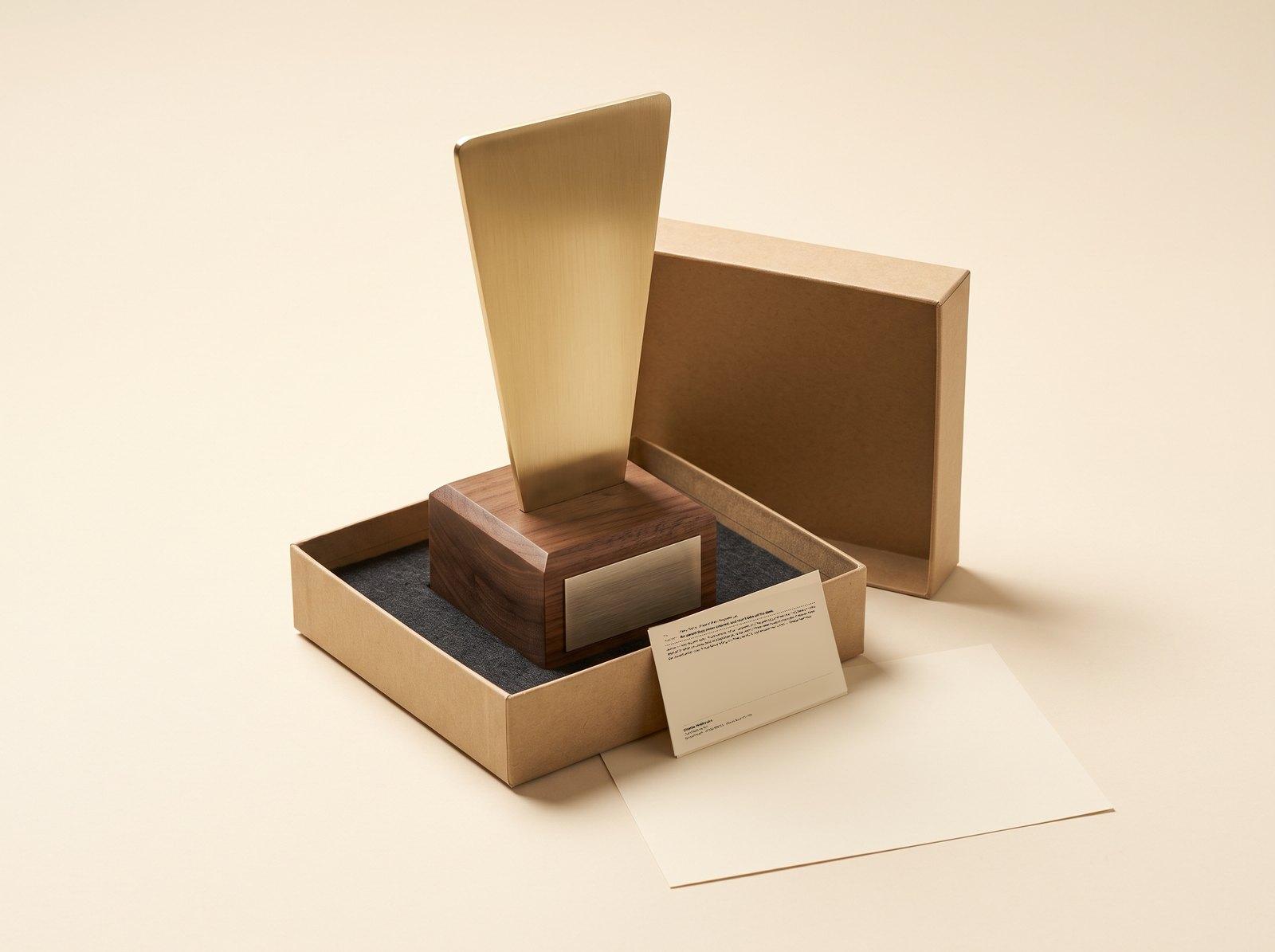
From a ten-pound cup of tea to a ninety-nine-pound award they will never take off the desk. Every one of them is an excuse to be opened. Address checking, tracked postage and a written message included in all of them.
VIP · Done with you
Or have the whole thing built around the accounts you want to break into.
Concept, copy, verified address research, fulfilment and multi-touch sequences, run for you month after month, so there is always something of yours on somebody’s desk. From £1,250 a month, with no set-up fee.
No membership.
No application.
Public prices.
Order today.